


 Well-known PCB supplier
+86 13603063656
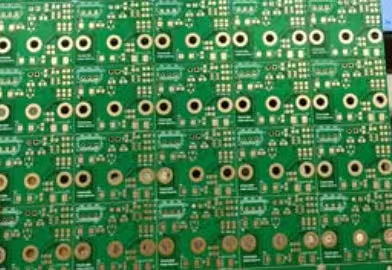
Modern electronic systems are no longer designed for clean rooms and stable laboratory conditions alone. Today’s printed circuit boards operate in environments defined by extremes—thermal shock, high humidity, corrosive chemicals, vibration, dust, and unpredictable electrical stress. In such conditions, traditional PCB protection strategies quickly reach their limits. It is precisely within this gap between theoretical performance and real-world survival that conformal coating becomes indispensable.
Conformal coating is often misunderstood as a cosmetic or optional protective layer, applied only when a project budget allows. In reality, it represents a strategic engineering decision that directly determines product reliability, field lifetime, and failure risk. From automotive engine control units to offshore industrial controllers and aerospace electronics, conformal coating has shifted from a “nice-to-have” process to a core reliability requirement.
In my view, the true value of conformal coating is not merely its ability to protect, but its role as a risk management tool. It addresses failure mechanisms that cannot be fully eliminated through circuit design alone—such as ionic contamination, condensation-induced leakage, and corrosion-driven impedance drift. When PCBs are engineered for extreme environments, conformal coating stops being an afterthought and becomes a structural element of the design philosophy itself.
Conformal coating
Conformal coating refers to a thin, protective polymeric layer applied to the surface of an assembled printed circuit board. Unlike encapsulation or potting, conformal coating follows—or conforms to—the contours of components, solder joints, and exposed conductors without significantly altering board geometry or weight.
At its core, conformal coating functions as a barrier system. It isolates sensitive electrical features from environmental threats such as moisture, dust, salts, chemicals, and biological contaminants. Typical coating thickness ranges from 25 to 250 microns, depending on material type and application method, offering protection without compromising heat dissipation or serviceability.
What makes conformal coating particularly valuable is its balance between protection and accessibility. Unlike full potting, coated boards can still be inspected, repaired, or reworked if necessary—assuming proper material selection and process control.
From an engineering standpoint, conformal coating contributes to PCB reliability in four fundamental ways:
Electrical insulation stability by preventing leakage currents and dendritic growth
Corrosion prevention by isolating copper, solder, and component terminations from reactive agents
Mechanical reinforcement by reducing vibration-induced micro-movements
Environmental resilience by mitigating condensation and particulate contamination
High-reliability PCB manufacturers such as JM PCB often integrate conformal coating considerations early in the design-for-manufacturing stage, rather than treating it as a downstream process. This approach significantly reduces late-stage design conflicts and unexpected yield losses.
Extreme environments expose PCBs to stressors that are both cumulative and synergistic. Moisture alone is rarely catastrophic; however, when combined with ionic residues, temperature cycling, and electrical bias, it becomes a silent reliability killer.
In high-humidity conditions, thin water films can form across the PCB surface, dramatically lowering surface insulation resistance. Over time, this enables electrochemical migration, corrosion of copper traces, and eventual short circuits. Conformal coating interrupts this chain reaction by physically blocking moisture adsorption and limiting ionic mobility.
Thermal cycling presents another challenge. Repeated expansion and contraction create micro-cracks in solder joints and stress at component interfaces. A properly selected conformal coating can act as a compliant buffer, absorbing part of this mechanical strain and reducing fatigue-related failures.
Chemical exposure—common in industrial, automotive, and marine electronics—introduces yet another dimension. Oils, fuels, cleaning agents, and atmospheric pollutants can aggressively attack unprotected PCB surfaces. Conformal coating provides chemical resistance tailored to the specific operating environment, an area where material choice becomes critical.
From my perspective, one of the most underestimated benefits of conformal coating is predictability. Extreme environments amplify small design weaknesses into system-level failures. By stabilizing the board’s interaction with its surroundings, conformal coating narrows the range of operational uncertainty. That predictability is often worth far more than the marginal cost of the coating itself.
Conformal coatings are not a one-size-fits-all solution; their selection depends on the operational environment, performance requirements, and PCB design constraints. Broadly, conformal coatings are classified into acrylics, polyurethanes, silicones, epoxy-based, and parylene, each with unique properties that influence cost, durability, and applicability.
Acrylic Coatings
Acrylic conformal coatings are among the most widely used due to their ease of application and reworkability. They offer excellent moisture and dust protection and moderate chemical resistance. Their primary advantage is the simplicity of removal, which allows post-assembly testing or repair. However, acrylics may exhibit reduced mechanical flexibility in extremely high-temperature or vibration-intensive environments.
Polyurethane Coatings
Polyurethanes provide superior chemical and abrasion resistance, making them suitable for industrial or automotive PCBs exposed to oils, fuels, or cleaning solvents. While they offer robust protection, removal can be more challenging than acrylics, which may increase labor time for rework.
Silicone Coatings
Silicone conformal coatings excel in high-temperature environments, offering thermal stability up to 200°C or higher. They are flexible, resist cracking under thermal cycling, and provide excellent moisture protection. However, silicone coatings are typically softer, potentially attracting dust and requiring precise application control.
Epoxy-Based Coatings
Epoxy coatings are extremely durable, providing strong mechanical and chemical protection. They are ideal for PCBs subjected to heavy mechanical stress or harsh chemical exposure. The main drawback is limited reworkability; once cured, epoxy coatings are difficult to remove without risking damage to components.
Parylene Coatings
Parylene is a vapor-deposited polymer offering near-perfect conformal coverage, including under complex geometries and shadowed areas. It provides outstanding dielectric properties, chemical resistance, and long-term reliability. The high cost and specialized equipment requirements, however, limit its use to mission-critical applications such as aerospace, medical, or defense electronics.
In my experience, high-performance applications often adopt hybrid strategies, applying different coatings in selective areas depending on environmental exposure and accessibility for repair. For example, a PCB may use acrylic on test points and silicone on areas near heat-generating components. Such precision ensures both reliability and cost efficiency—a balance crucial in large-scale manufacturing.
Understanding the chemical basis of conformal coatings is key to predicting their protective behavior and interaction with PCB materials. Each coating type forms a barrier at the molecular level, controlling moisture ingress, ionic mobility, and chemical attack.
Acrylics and Polyurethanes rely on cross-linked polymer chains to form a dense network that repels moisture and acts as an electrical insulator. Acrylics are generally linear polymers, providing easier removal, while polyurethanes form more complex, branched structures offering higher chemical resistance.
Silicones contain repeating Si–O–Si bonds, providing elasticity and thermal stability. Their flexible network can absorb mechanical strain and prevent micro-crack propagation during thermal cycling.
Epoxies polymerize into rigid, thermoset networks. This rigidity translates into excellent mechanical reinforcement, protecting PCBs from vibration-induced micro-movements but making post-assembly rework challenging.
Parylene coatings are applied through vapor deposition, producing an ultra-thin, pinhole-free film. This film exhibits exceptional dielectric strength and uniformity, offering near-complete isolation from moisture, ionic contaminants, and corrosive chemicals.
The effectiveness of conformal coating depends not only on material selection but also on application parameters such as thickness, curing method, and environmental conditions during deposition. For instance, insufficient coating thickness or trapped air bubbles can create localized weak points, allowing moisture penetration and early failure. Conversely, excessive thickness may interfere with thermal management, component tolerances, or connector insertion.
Another critical factor is compatibility with underlying PCB materials. Some coatings can interact with flux residues, solder mask, or certain adhesives, potentially compromising adhesion. Pre-coating surface preparation—such as cleaning, plasma treatment, or micro-etching—is therefore an essential step to ensure long-term reliability.
Manufacturers like JM PCB have optimized conformal coating processes with precise environmental control, ensuring uniform coverage and minimal defects. Their experience demonstrates that investing in process reliability early often reduces total lifecycle costs by preventing field failures and costly rework.
While the protective benefits of conformal coating are clear, cost remains a major consideration for designers and procurement teams. The total cost of conformal coating includes material cost, application labor or automation, process control, inspection, and rework/repair allowances.
Material Cost
Different conformal coating chemistries have widely varying price points. Acrylics are generally low-cost, while silicones, polyurethanes, epoxies, and especially parylene represent higher material expenses. The choice of material should align with both environmental exposure and board complexity.
Application Labor or Automation
Manual brush or spray application introduces labor cost and operator variability. Automated robotic or selective coating systems require upfront capital investment but reduce long-term labor costs, improve yield, and increase consistency.
Process Control and Environmental Conditions
Controlled humidity, temperature, and particulate environment are critical during coating. Contaminants, moisture, or temperature fluctuations can cause adhesion failures or void formation, which ultimately results in costly rework or field failures.
Inspection and Quality Assurance
Inspection systems such as UV fluorescence, automated optical inspection (AOI), and X-ray analysis add to the upfront cost but prevent field returns and reliability issues. Boards with complex geometries or high-layer counts may require multiple inspection cycles to ensure conformal coating integrity.
Rework and Repair
Improper coating or damaged areas may require rework. Rework is challenging for rigid or chemically resistant coatings, especially epoxies and parylenes, adding hidden cost factors that are often underestimated during project planning.
From my perspective, cost analysis should not focus solely on material or application expense. The long-term cost of field failures, downtime, and warranty claims far outweighs incremental upfront investment in high-quality conformal coating processes. Manufacturers who prioritize reliability early, such as JM PCB, often achieve the lowest total lifecycle cost despite higher initial expenditure.
Conformal coating affects more than just environmental resistance; it interacts directly with the electrical, thermal, and mechanical characteristics of the PCB. Understanding these interactions is crucial for designing high-reliability systems.
Electrical Performance
Conformal coatings increase insulation resistance and reduce leakage currents between conductors, preventing shorts due to moisture or ionic contamination. Certain coatings, such as parylene or epoxy, also provide consistent dielectric strength, enabling PCBs to perform reliably under high-voltage or high-frequency conditions.
Thermal Performance
While coatings are generally thin, they can impact heat dissipation. Silicone and parylene offer good thermal stability, but thick layers of epoxy or polyurethane may trap heat around components. Engineers must consider the trade-off between protection and thermal management, potentially integrating thermal vias or heat sinks to maintain safe operating temperatures.
Mechanical Reinforcement
Conformal coating adds a minor layer of mechanical support, stabilizing solder joints and reducing vibration-induced stress. Silicone coatings are particularly effective at absorbing thermal and mechanical strain, while rigid epoxies reinforce structural areas but may increase susceptibility to cracking if boards flex significantly.
Reliability in Harsh Conditions
The combination of electrical insulation, chemical resistance, and mechanical stabilization results in significantly higher Mean Time Between Failures (MTBF) in extreme conditions. Conformal coating is therefore not a superficial add-on but a core reliability enabler for automotive, aerospace, industrial, and medical electronics.
In summary, effective conformal coating requires careful material selection, application method, and thickness control, ensuring protection without compromising electrical performance, thermal management, or mechanical stability.
| Aspect | Key Considerations | Typical Materials | Benefits | Potential Challenges |
|---|---|---|---|---|
| Definition | Thin polymeric layer applied to PCB surfaces for protection | Acrylic, Polyurethane, Silicone, Epoxy, Parylene | Electrical insulation, moisture resistance, mechanical reinforcement | Improper thickness, masking errors, adhesion issues |
| Application Methods | Brush, Spray, Selective Robotic, Vapor Deposition | Varies by process | Coverage uniformity, efficiency, selective protection | Equipment cost, operator skill, process variability |
| Cost Factors | Material, labor/automation, inspection, rework | Low-cost: Acrylic; High-cost: Parylene | Predictable long-term reliability | Upfront capital, environmental compliance, labor |
| Electrical & Thermal Impact | Insulation resistance, dielectric strength, heat dissipation | Silicone, Parylene, Epoxy | Prevent shorts, dendritic growth, EMI effects | Heat retention, dielectric mismatch in thick coatings |
| Mechanical Performance | Vibration, thermal cycling, board flex | Silicone (flexible), Epoxy (rigid) | Reduces solder fatigue, micro-cracking | Cracking in rigid coatings, limited reworkability |
| Industry Applications | Automotive, Aerospace, Medical, Industrial | Material selection depends on environment | High MTBF, extreme condition resilience | Specialized coatings may require higher cost and equipment |
| Regulatory & Environmental | RoHS/REACH compliance, VOC limits, fire safety | Water-based or low-VOC formulations preferred | Compliance, sustainability | Solvent handling, disposal, flammability constraints |
Conformal coating is not merely a cosmetic or secondary process—it is a core engineering strategy for PCBs operating in demanding conditions. From electrical insulation to chemical resistance, thermal stability, and mechanical reinforcement, conformal coating addresses failure modes that design alone cannot eliminate.
Its value is maximized when carefully selected for material type, thickness, and application method, and when integrated early in the design-for-manufacturing process. Considerations for inspection, testing, environmental compliance, and lifecycle cost further reinforce its necessity.
High-performance applications across automotive, aerospace, medical, and industrial sectors demonstrate that the real cost of neglecting conformal coating far exceeds its upfront investment. As electronics continue to push the boundaries of temperature, vibration, and environmental exposure, conformal coating will remain an indispensable tool for achieving reliability and operational excellence.
What is the difference between rolled copper foil and electrolytic copper foil?
Rolled copper foil is produced by mechanically rolling copper into thin sheets, offering better surface quality and mechanical strength. Electrolytic copper foil is deposited via an electrolytic process and is more flexible and cost-effective.
Can conformal coating be applied to all PCB types?
Most PCBs can be coated, but factors such as component density, thermal mass, and rework requirements influence coating choice. Certain high-density or fine-pitch boards may require selective robotic or vapor-deposited coatings for uniform coverage.
How does conformal coating impact thermal management?
Conformal coatings are thin and generally do not drastically impede heat dissipation. However, thick or rigid coatings may trap heat around high-power components. Thermal vias, copper planes, and heat sinks are often used to compensate.
Is rework possible after conformal coating?
Rework depends on the coating type. Acrylic coatings are easily removed for repair, while epoxies and parylenes are difficult to remove and may require component replacement or specialized stripping methods.
How does conformal coating improve PCB reliability in harsh environments?
Conformal coating provides electrical insulation, moisture and chemical resistance, and mechanical reinforcement. These features reduce electrochemical migration, corrosion, vibration-induced stress, and failure due to environmental exposure.


Connect to a Jerico Multilayer PCB engineer to support your project!
Request A Quote
 Quote
Quote
 E-mail
 Whatsapp