


 Well-known PCB supplier
+86 13603063656
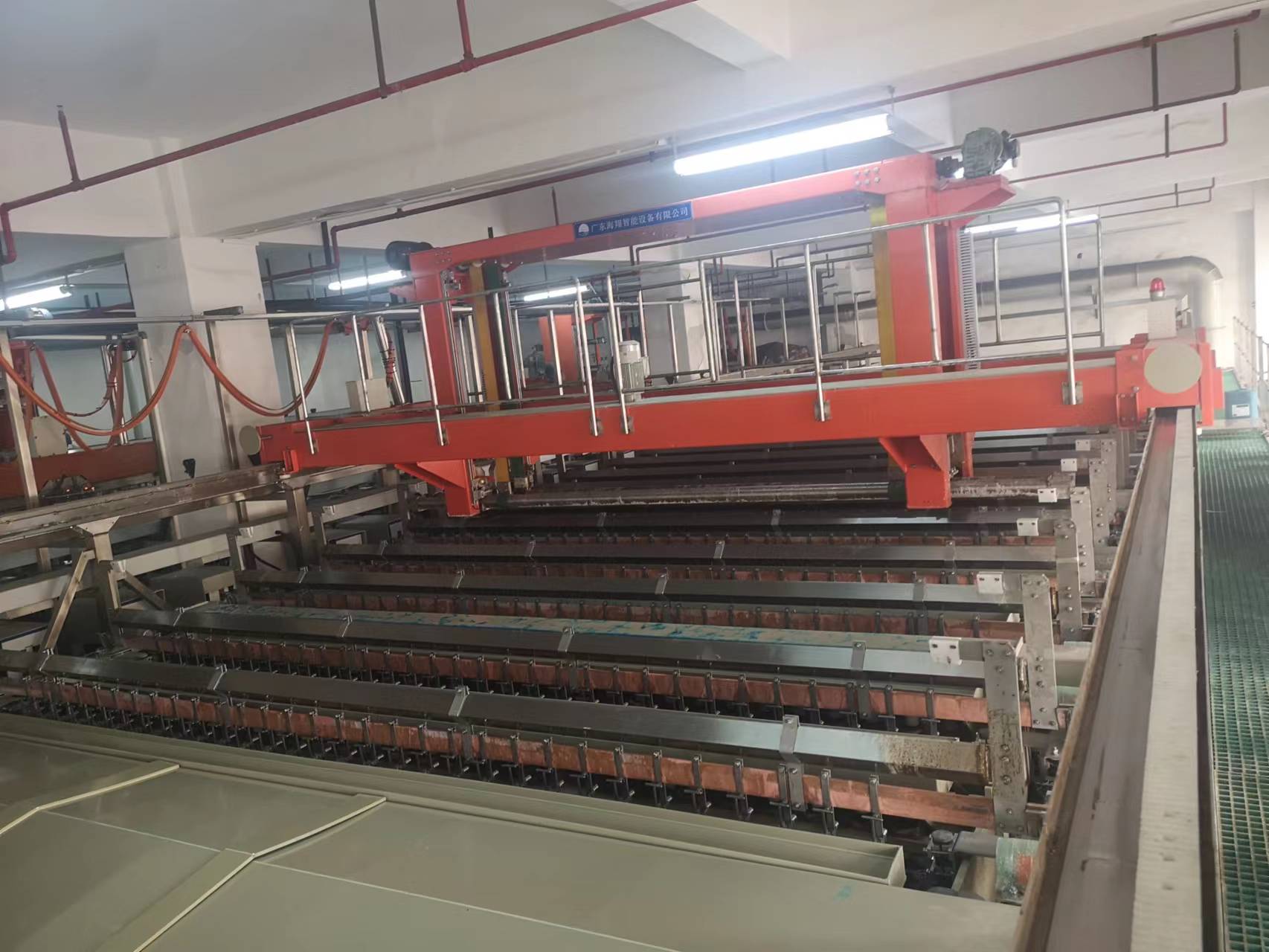
With 25 years of experience in the PCB manufacturing industry, I am often asked a simple question by customers, engineers, and industry peers:
How much water is required to produce 1 square meter of PCB? Water Consumption
Many people know PCB manufacturing consumes electricity, chemicals, and materials, but few realize that water is one of the most critical resources throughout the entire production process.
Today, I would like to share actual production data from our factory and discuss the real water consumption behind PCB manufacturing.
Based on the actual production data of our PCB factory with a monthly output of approximately 20,000–30,000 square meters:
Average water consumption:
Approximately 0.25 m³ per square meter
Average water consumption:
Approximately 0.30 m³ per square meter
These figures represent actual factory averages and may vary depending on product structure, process flow, and equipment efficiency.
Water Consumption
Many people imagine that water is only used for cleaning.
In reality, water is involved in almost every wet process throughout PCB manufacturing.
Typical applications include:
For every production step involving chemicals, multiple rinsing stages are required to ensure product quality and process stability.
The answer is simple:
More process steps = More water consumption
For example:
Process flow is relatively simple:
Cutting → Drilling → Plating → Imaging → Etching → Solder Mask → Surface Finish → Testing
Therefore, water consumption remains relatively low.
Additional processes are required:
As a result, water consumption increases accordingly.
Many people only focus on:
However, behind every PCB factory is a complete environmental management system.
Water consumption is closely linked to:
A significant portion of a PCB factory’s operating expenses comes not from the water itself, but from treating it to meet environmental discharge standards.
Yes.
Modern PCB factories continuously invest in:
The goal is simple:
Use less water while maintaining the same product quality.
This is beneficial both economically and environmentally.
Many engineers know the thickness of a PCB.
Many purchasers know the price of a PCB.
But have you ever wondered:
How much water is consumed to manufacture the PCB in your product?
I’d be interested to hear the water consumption data from other PCB factories around the world.


Connect to a Jerico Multilayer PCB engineer to support your project!
Request A Quote
 Quote
Quote
 E-mail
 Whatsapp